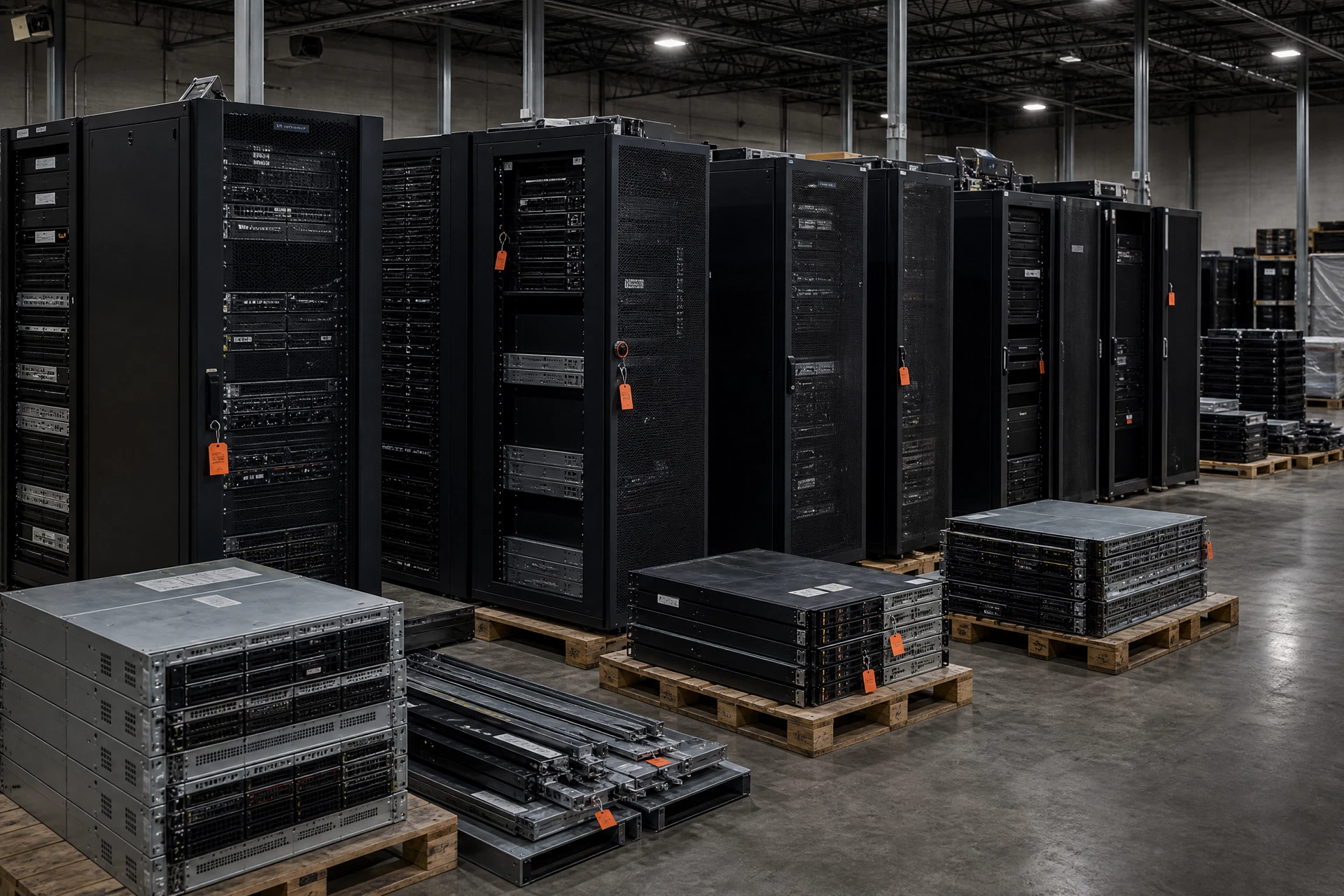
SERVERS & STORAGE
Rackmount servers, blade systems, storage arrays, network appliances, rails, power supplies, and complete cabinets.
DIRECT BUYERS OF DATA CENTER & CRITICAL INFRASTRUCTURE
Servers, racks, PDUs, UPS systems, mining machines, cooling equipment, switchgear, transformers, generators, and complete facility packages.
PAYMENT BEFORE PICKUPCommercial terms are confirmed before approved equipment leaves.
FREIGHT DEFINED IN WRITINGApproved transport and buyer loading responsibilities are documented first.
VALUE BEYOND SCRAP MAY BE POSSIBLEUsable, identifiable systems can justify direct equipment review.
EQUIPMENT WE REVIEW
Rackmount servers, blade systems, storage arrays, network appliances, rails, power supplies, and complete cabinets.
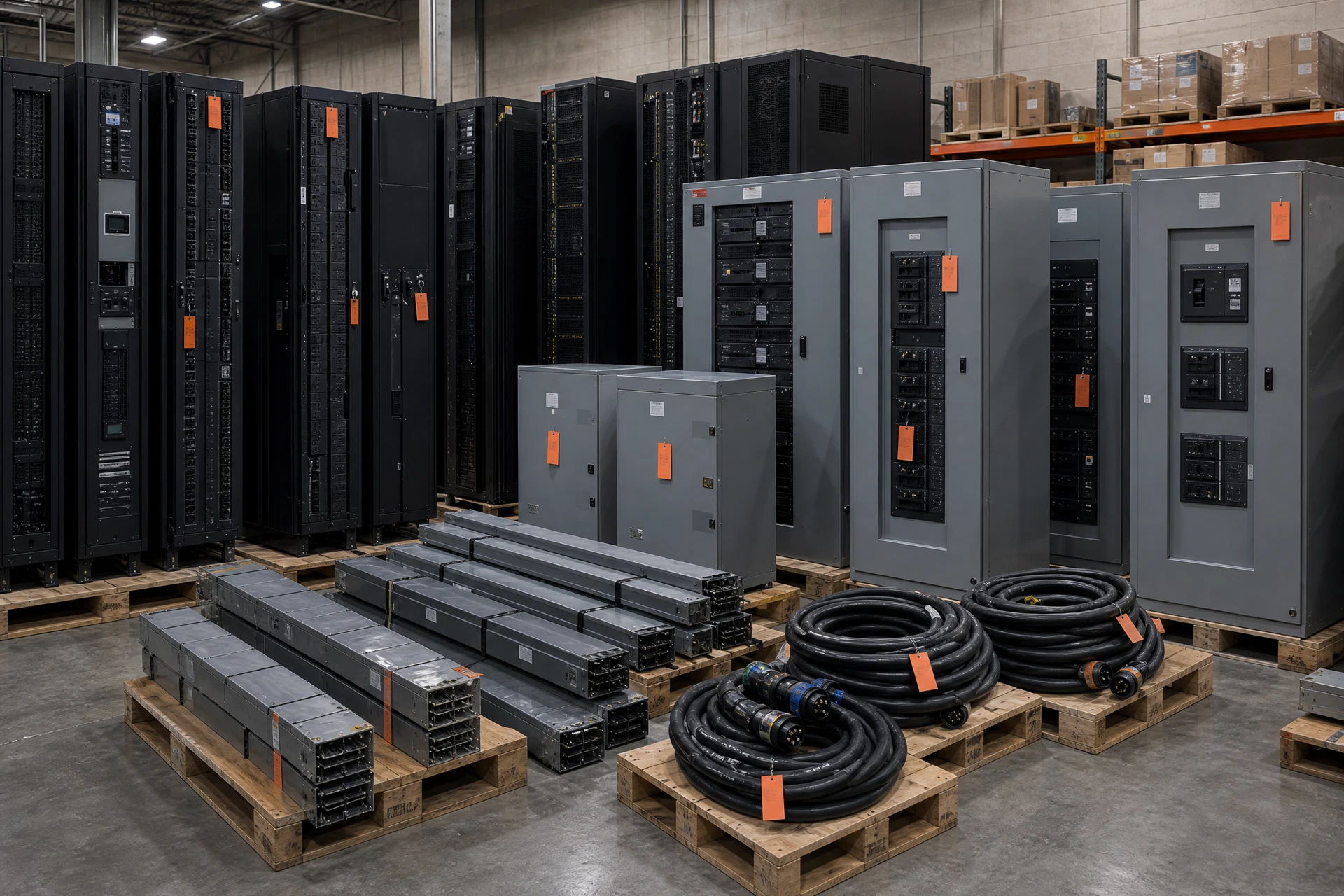
Floor and rack PDUs, metering, breakers, bus connections, distribution cabinets, and complete power assemblies.
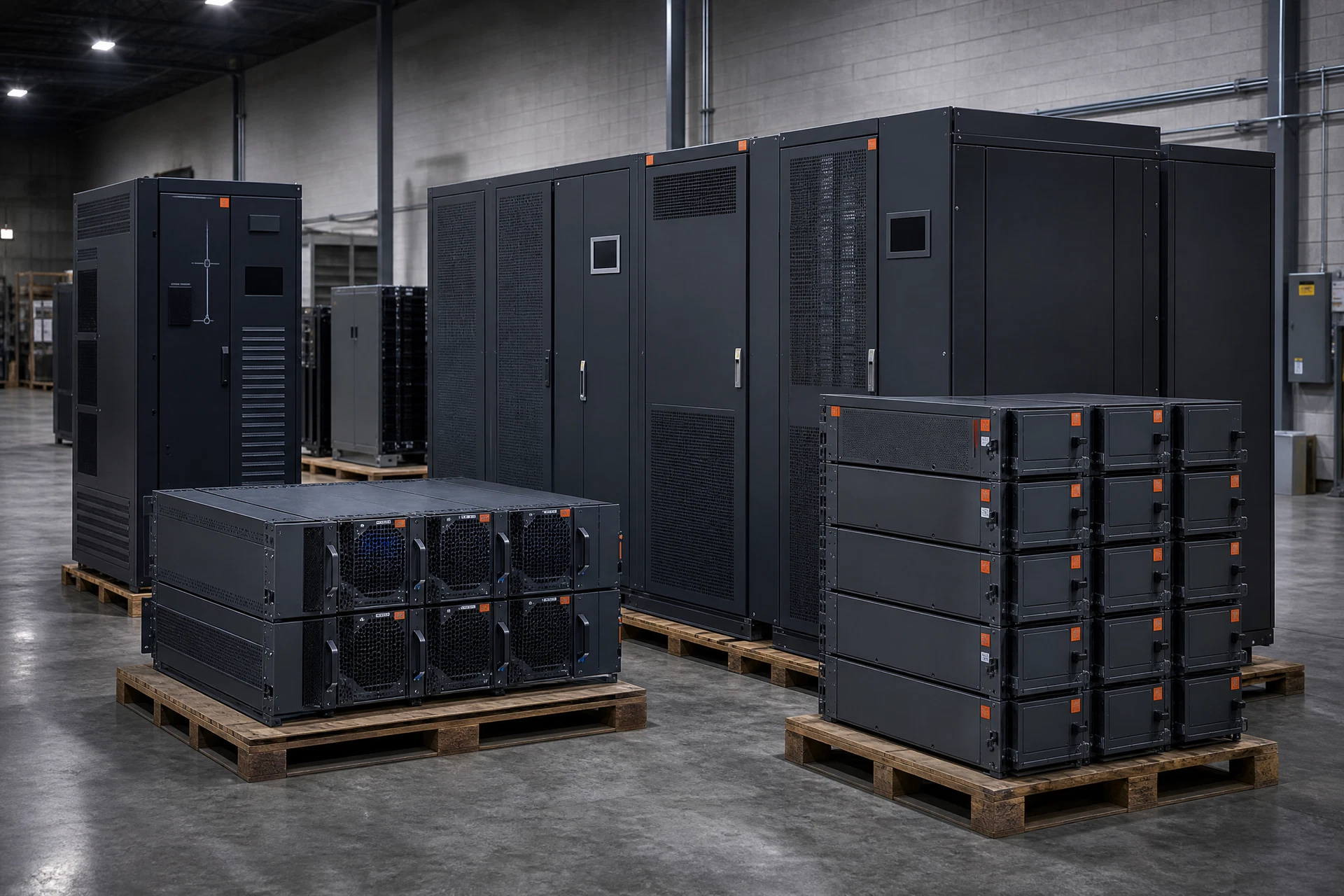
Three-phase UPS modules, battery cabinets, maintenance bypasses, controls, and matched critical-power systems.
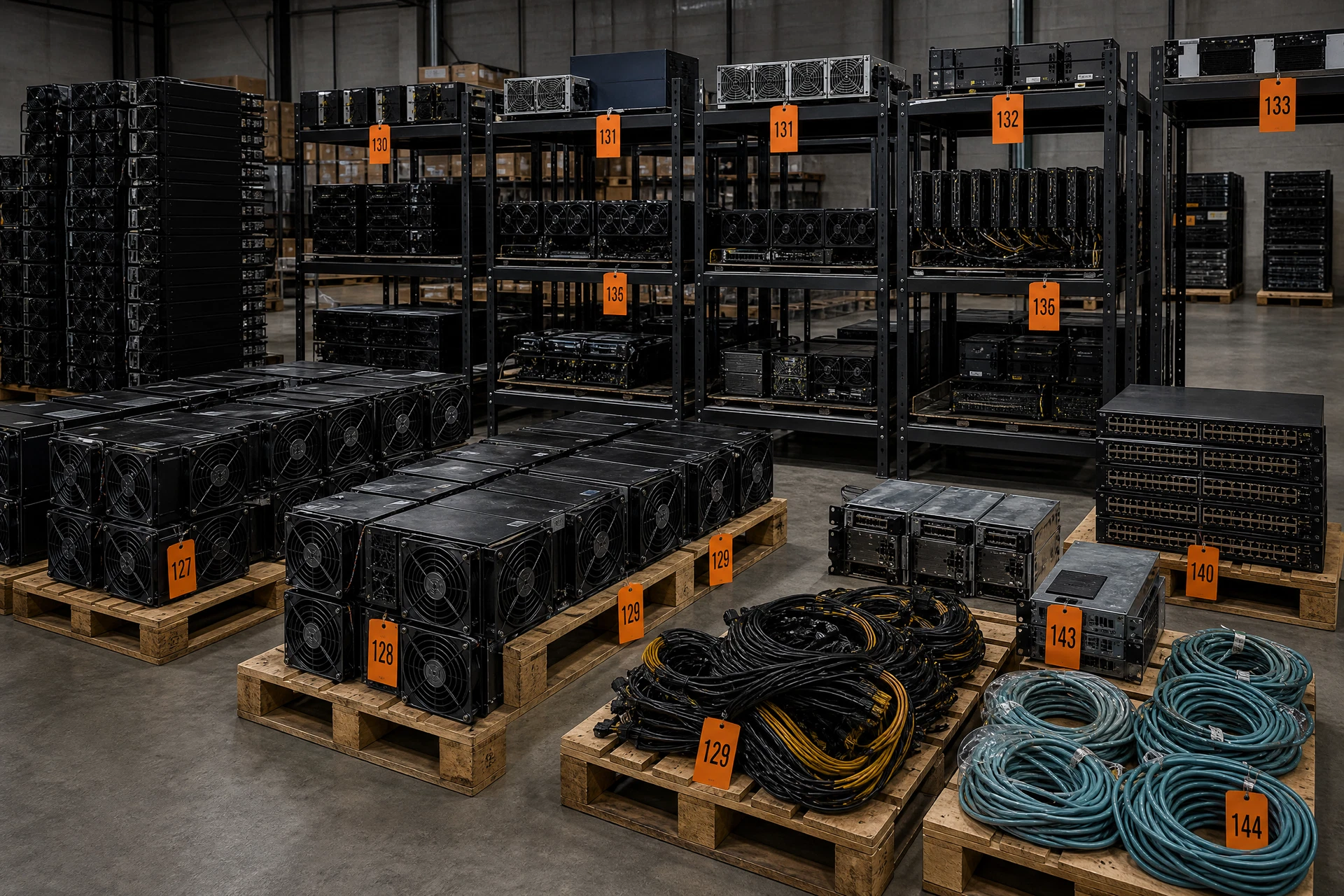
Bulk powered-off ASIC or GPU equipment, power supplies, racks, networking, cabling, and cooling infrastructure.
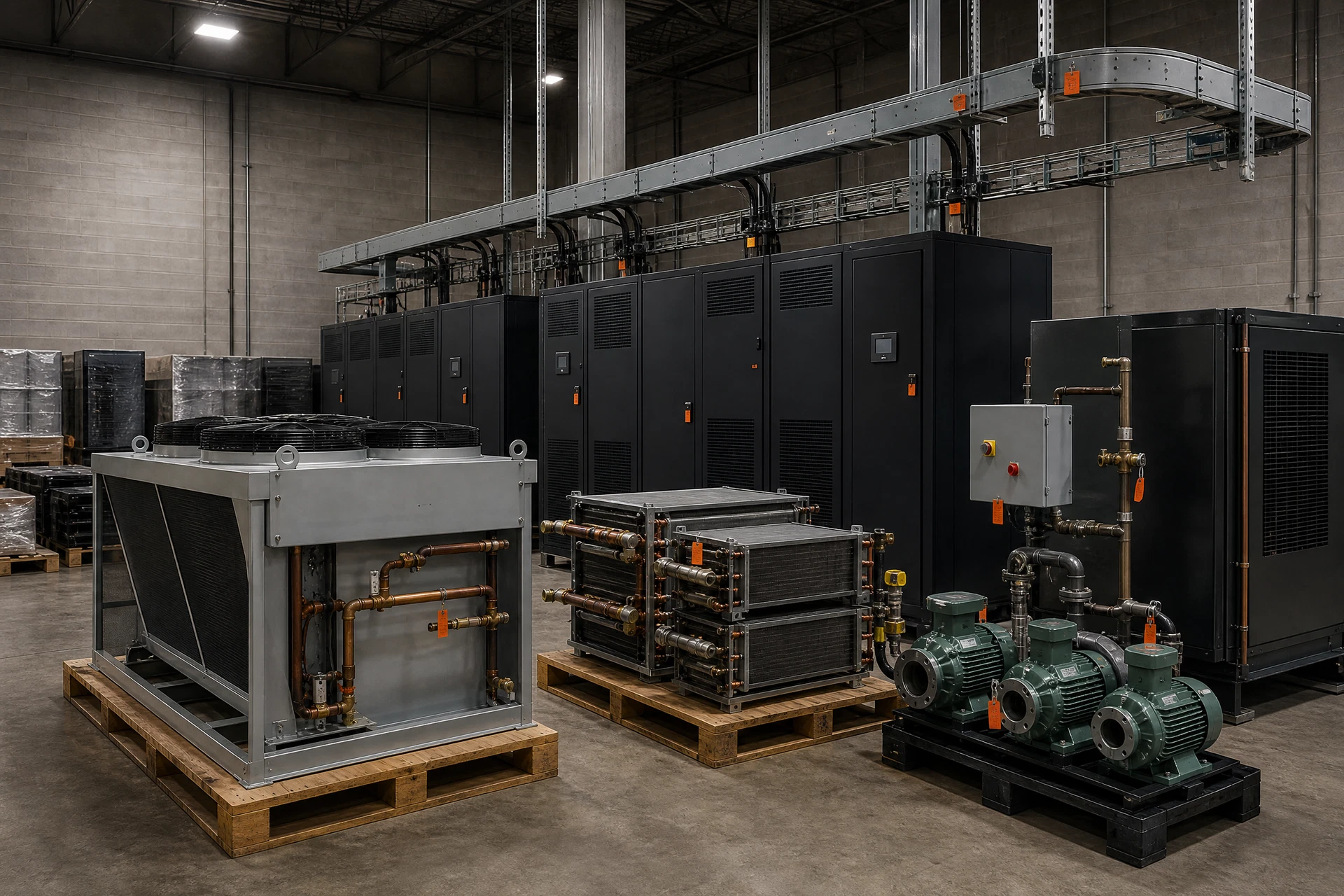
CRAC and CRAH units, chillers, heat exchangers, pumps, controls, and facility cooling packages.
Server cabinets, containment, cable trays, busway, structured cabling, power, cooling, and facility assets.
Original illustrative equipment imagery. These are not customer facilities, owned inventory, or completed transaction records.
SELL BEFORE DISMANTLING
Scrap evaluation centers on recoverable material. A direct equipment review can also consider manufacturer, model, capacity, configuration, age, condition, completeness, compatibility, demand, data-security obligations, removal status, access, and freight.
That does not guarantee a purchase or price. It means sellers should document complete systems before separating cabinets, removing labels, discarding rails or modules, or destroying configuration evidence.
HOW VALUE IS REVIEWEDA PRACTICAL SELLING PROCESS
Show complete rooms or lots, then add manufacturers, models, capacities, serial ranges, quantities, condition, and the pickup location.
We consider reuse potential, configuration, removal status, data-bearing assets, access, loading, freight, and the required schedule.
For an approved purchase, price, payment, data handling, removal, freight, loading, and pickup responsibilities are documented before dispatch.
PROJECT INFORMATION
Separate servers, storage, networking, racks, power, cooling, electrical, and mining assets. Include accurate model and quantity information.
Identify drives, arrays, appliances, and storage media. State the seller's required sanitization or destruction standard before transfer.
Describe disconnection status, floors, docks, elevators, rigging, palletization, site security, shutdown windows, and deadlines.
Record kVA, kW, voltage, phase, runtime, battery type, tonnage, refrigerant, airflow, enclosure, and matched components when known.
BUILT FOR COMMERCIAL SELLERS
Data Center Equipment Buyer is designed for colocation operators, enterprise IT departments, cloud and telecom facilities, contractors, liquidators, mining operators, manufacturers, institutions, and property teams managing upgrades, relocations, shutdowns, excess spares, or complete facility decommissioning.
Start with the actual inventory. Preserve labels, rails, trays, power supplies, controllers, batteries, cables, modules, manuals, and matching components. Photograph full rows and rooms before isolating individual assets. A clear relationship between equipment often matters more than a pile of separated hardware.
Never enter energized electrical equipment, restricted areas, or unsafe spaces to obtain a quote photograph. Qualified parties control electrical work, refrigerant handling, rigging, data-security procedures, hazardous materials, permits, and site safety unless a written transaction assigns a responsibility differently.
NATIONWIDE COMMERCIAL COVERAGE
The recovery preserves the former 30,641-page footprint, all 1,947 Search Console-demonstrated URLs, every state, and the verified nationwide city catalog. Location pages describe where equipment can be reviewed; they do not claim a local office in every city.
BEFORE YOU REQUEST A QUOTE
Provide a spreadsheet or organized list when possible. Include manufacturer, model, part number, CPU, memory, drive status, network type, rack-unit size, power supply, voltage, capacity, quantity, operating status, removal status, known damage, and storage history. For UPS, PDU, cooling, generator, transformer, or switchgear equipment, include current nameplates and one-line drawings when available.
Explain whether assets contain data and what must happen before ownership or custody changes. Do not assume a buyer provides certified sanitization, chain of custody, destruction, or environmental documentation unless the written transaction expressly includes it. Sellers remain responsible for legal, privacy, contractual, safety, and regulatory requirements.
State the schedule and site conditions early. A powered-off palletized lot is different from a live facility that requires coordinated shutdown, electrical disconnection, rigging, elevator booking, loading dock access, security escorts, union labor, refrigerant recovery, battery handling, or overnight work. Accurate scope prevents unsafe assumptions and revised terms.
COMPLETE BUYER DIRECTORY
READY TO SELL?
Send current photos and an accurate inventory. A direct review can explain whether more model details, quantities, data-security information, measurements, power ratings, condition notes, or site requirements are needed.